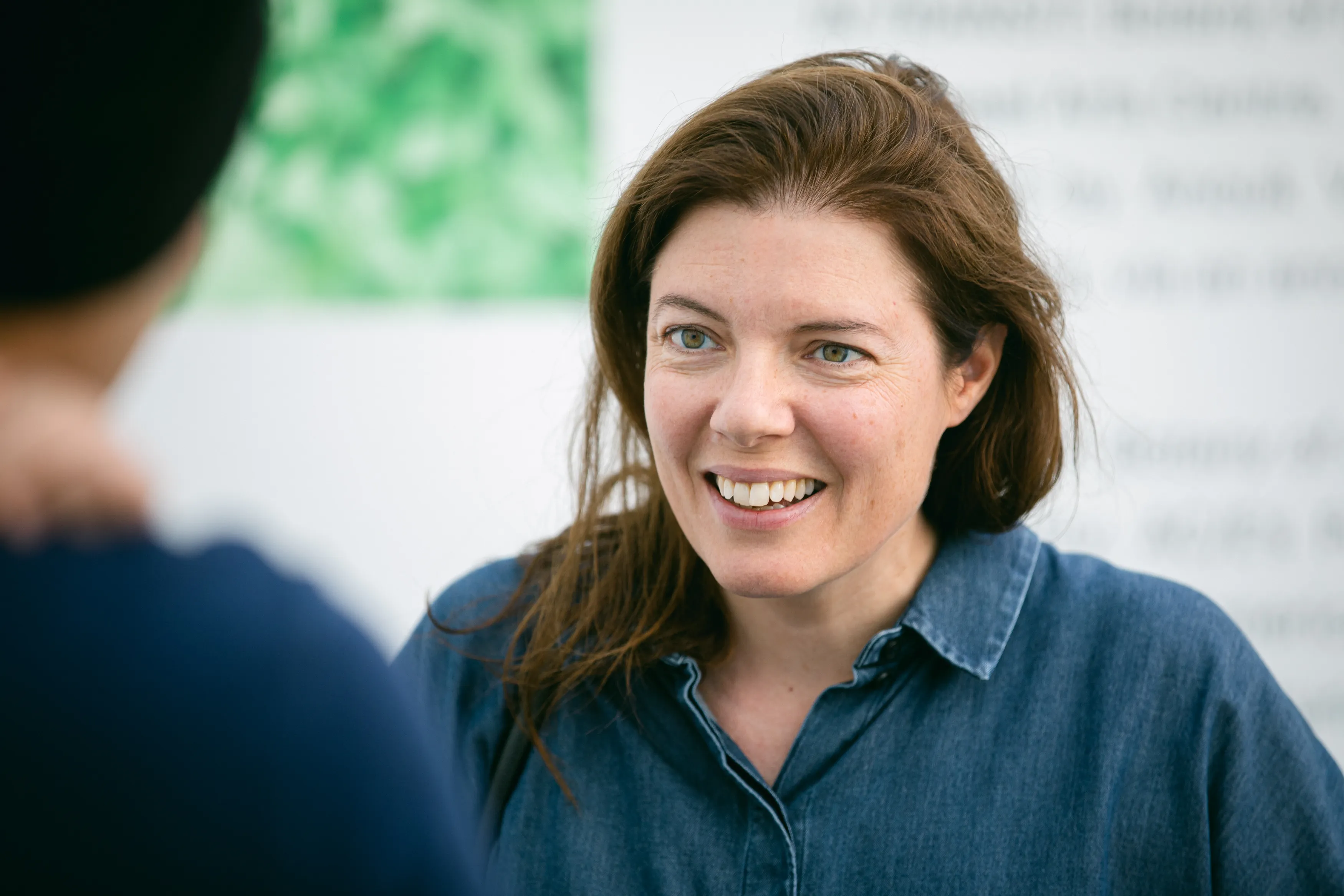
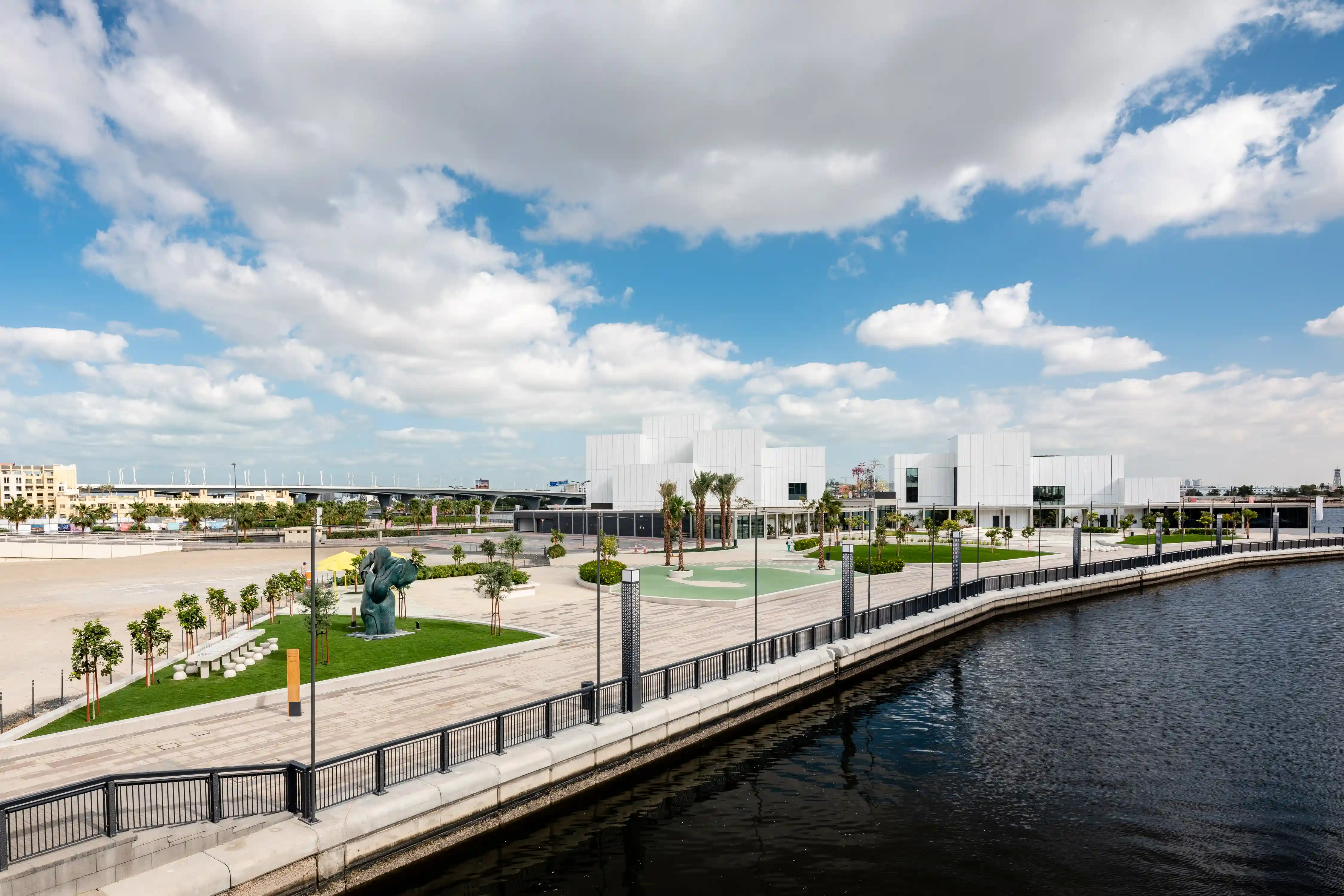
It’s hard to miss the Dubai Creek on a visit to the Jameel Arts Centre. The water guides your path to the centre, and even when you’re in it, the waterfront beckons you closer through its liminal floor-to-ceiling windows. Water is a central metaphor to the institution's philosophy: it doesn’t move in straight lines. It finds channels, pools in eddies, moves around what’s solid. When the recent geopolitical conflict had the city shutting down, the UAE government made an unconventional call: open up the cultural centres first. Let them lead the city back out. Antonia Carver, Director of Art Jameel and the Jameel Arts Centre team observed then, how people would arrive at the centre's garden, not for an exhibition but for a ‘somewhere’ to sit and belong. There’s a limit to how far you can stretch feel-good institutional folklore; what the Art Jameel team witnessed was a reflection of what happens when you build an arts centre and discover, eventually, that people don’t actually need the art. They need what the art enables: gathering, thinking and negotiating what it means to be a part of a city. Carver, with her team, spent a decade building towards exactly this kind of institution— one that matters not just because it curates well, but because it functions as infrastructure. “That togetherness and making space for people is absolutely intertwined and as fundamental to the programme as works of art,” she reflects, “We see…sparks of what that looks like, often most acutely in times of crisis.” There’s a unique property to the centre that, despite its white container façade, lets you linger alongside the water, regardless of circumstance.
Antonia, recognised in the ArtReview Magazine Power 100 list of the most influential figures in the art world, arrived in the Emirates in 2001 as an editor for TimeOut Dubai, then Bidoun Magazine, doing publishing work close to the ground. She later moved into curation as Art Dubai’s Director from 2010 to 2016, and after that, into what she describes as a ‘rollercoaster’ reimagining what the institutional model could be for Art Jameel. Resisting inherited models, building ground up and centring community agency while carrying the weight of prestige and capital was a contradiction Carver learned to navigate. The Jameel Arts Centre, a hub of contemporary art, opened in Al Jaddaf in 2018 and has since been recognised as one of three institutions globally awarded a Medal in the inaugural Art Basel Awards. In 2021, Hayy Jameel followed in Jeddah. Between them, her team has grown significantly too. "If you wrote it out as a strategy plan, it would look completely crazy," she said, laughing slightly. "But we rolled with [the] idea over the ten-year period." This is apparent on a visit to the centre. Rather than a concretised, predetermined vision, it’s informed by a direction held loosely,— as the public narrative permits— responsive to what a city actually needs instead of solely what an institution should deliver.
This responsiveness is integral to the centre’s approach. In the UAE, where cultural infrastructure often arrives top-down, imported from elsewhere, Carver’s approach has been varied. Early Dubai’s art scene emerged organically before government structures, from a collective feeling of “Dubai-ness” among first-, second-, and third-generation residents who’d studied abroad. The Jameel Arts Centre was built consciously on that lineage. She talks about ‘thinking in public’, about confluence— meetings between people, networks, the exchange of goods and ideas that Dubai was built on— not as abstractions but as a framework for how an institution moves. “Confluence,” she explained, “is this idea of ebbs and flows. Water has eddies and ways in which it takes ideas and flows them through.” But—and this is crucial— “there are points where there are inlets and outlets and places where the water is stuck and doesn’t move.” Some conversations need to stay small, contained, convivial. Others need to circulate, to travel internationally, to broker relationships between the Gulf and spaces beyond the subcontinent in ways that shift how those relationships are understood. The curatorial work, then, is partly about deciding where water needs to move and where it needs to rest.
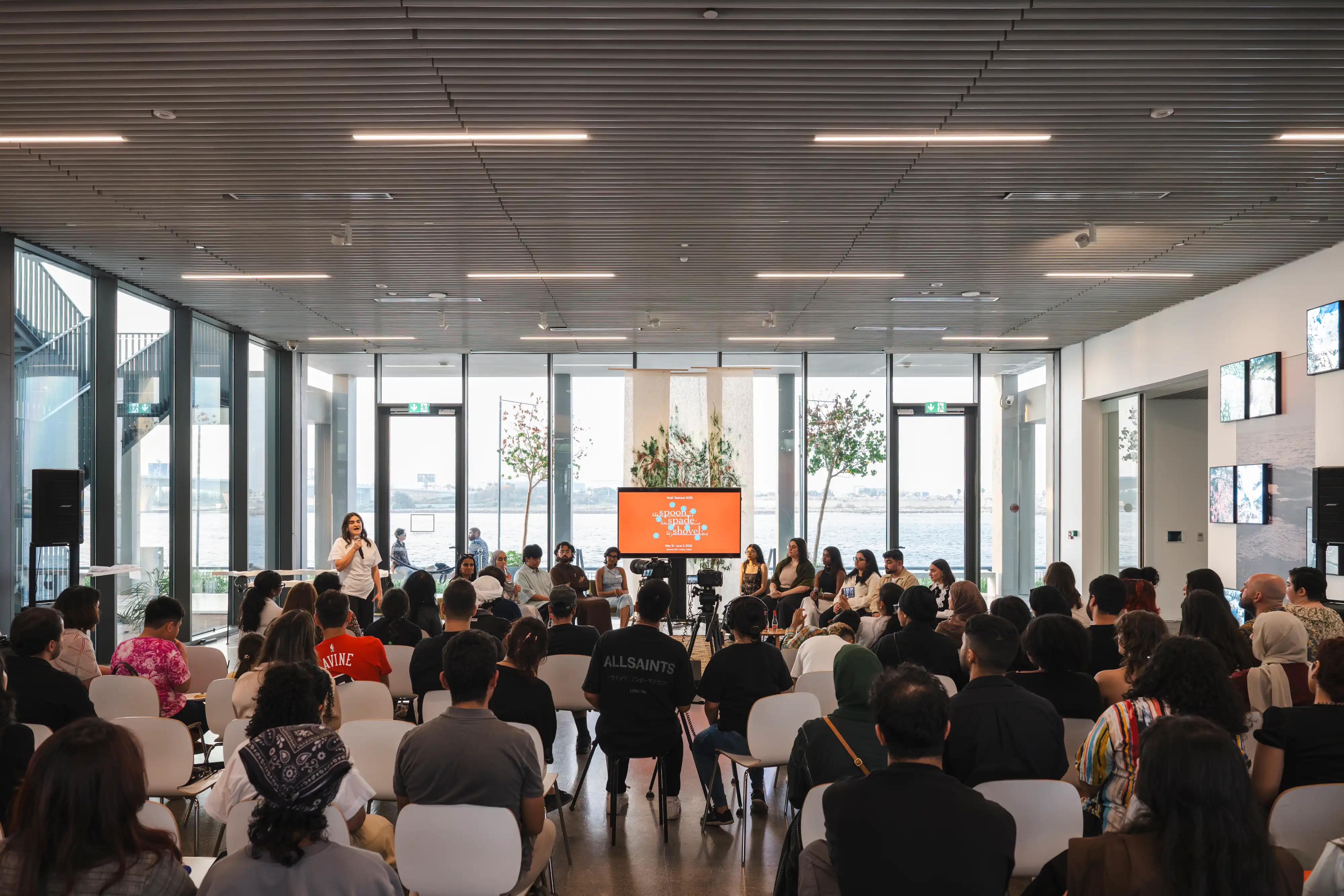
These are not new ideas. What’s different is that she’s thinking them from inside institutional power. Sometimes confluence can be optimistic language that obscures power. The paradox: Carver is trying to build a space where community shapes the institution’s narrative, while the institution carries enough capital to define, inevitably, what gets amplified and what stays local. She is aware of this. When asked about the tension between rhetoric and practice— between her commitment to local voice and the reality of running a globally recognised arts centre— she doesn’t ‘defend’ the institution. Instead, she describes a symbiotic network of concentric circles containing different organisations and scales, ideally complementing rather than competing. “The stronger the local scene,” she said, “the less central any single institution needs to be.” This is striking, as it plants their own obsolescence not as a failure but as a measure of their approach working.
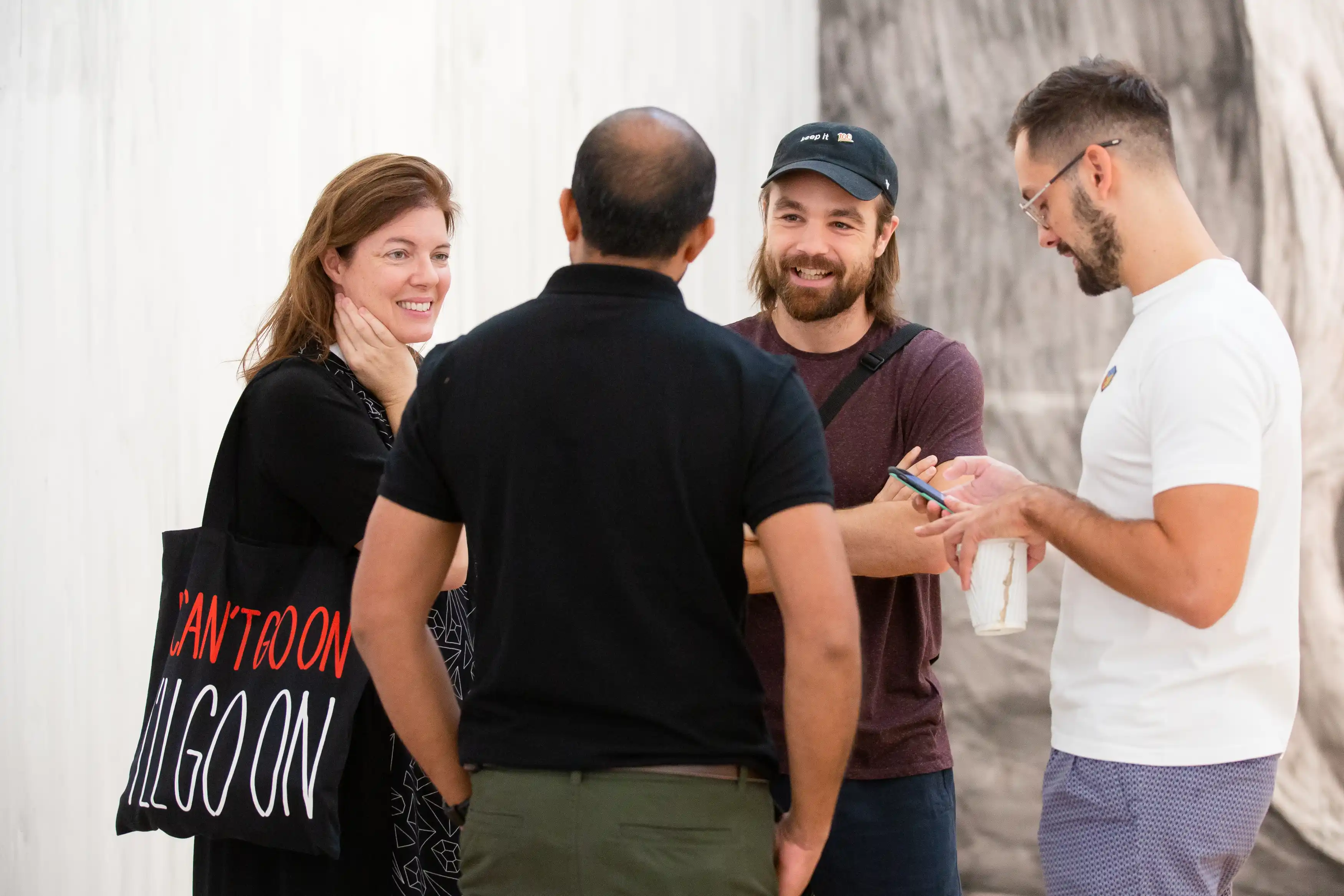
For Art Jameel, this means their measure of impact required a shift too. Rather than the big Fs— funding and footfall— the team scopes depth and breadth. This means the small number of people whose practice deepens through programmes like the Youth Assembly and Night School, and the thousands who accumulate, exhibition by exhibition, a discursive sense of what’s possible. To Antonia, not everything needs Instagram documentation or proof of impact. Some of the deepest work happens in reading groups where people keep discussing after. In the snack breaks between panel discussions. In the conversations that extend beyond programming. Protecting those spaces and that porosity of ideas requires curatorial decision-making that values what’s not measurable as much as what is.
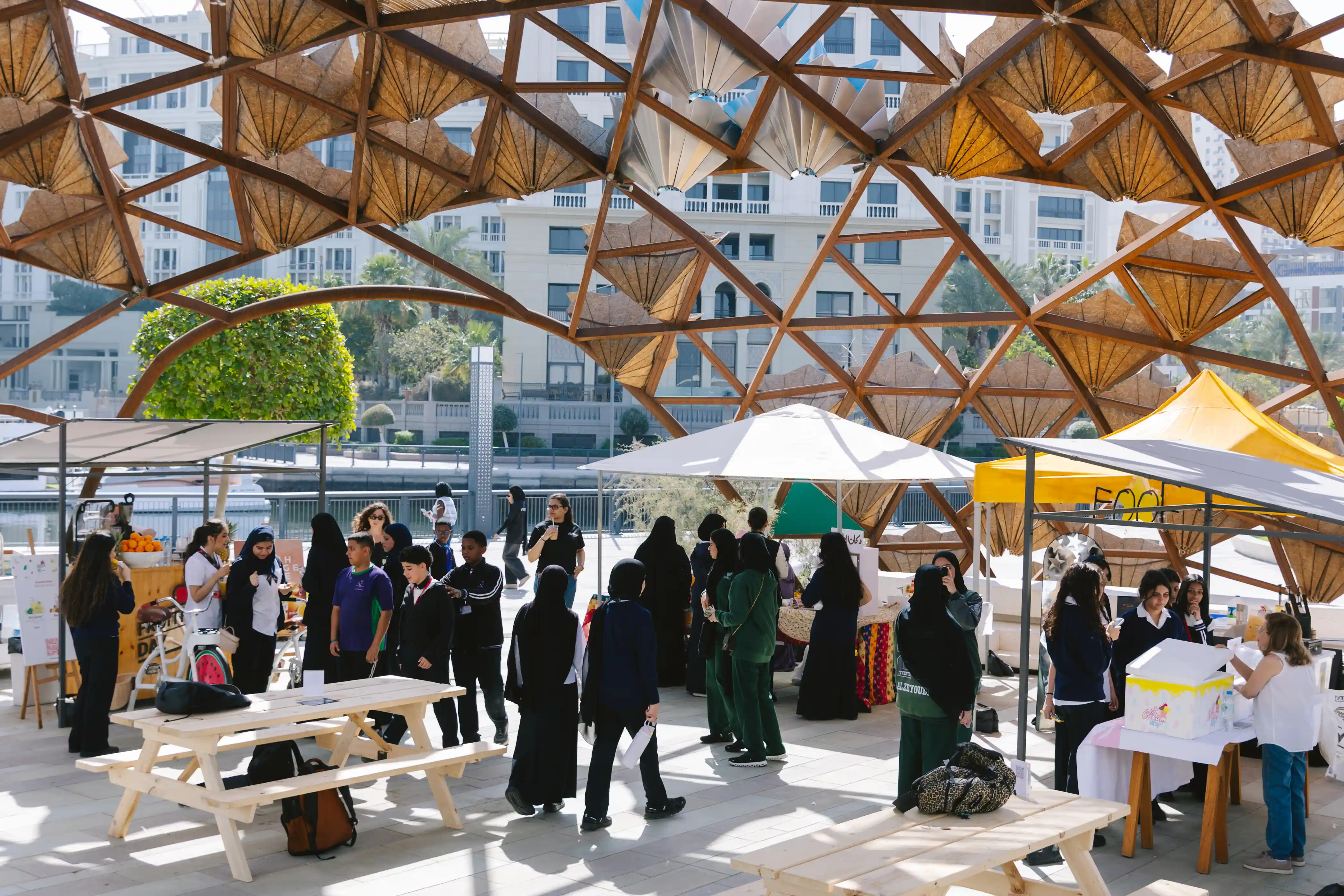
These commitments have shaped not just what Art Jameel does, but how the cultural scene in Dubai has developed. Carver’s particular vantage— that institutions should think of themselves as existing in a larger ecosystem, responsive to the public rather than leading them— has enabled that. When asked what the next decade of institution-making would look like, she spoke about multidisciplinary practice, about returning to modernist ways of thinking where someone can be an artist and writer and musician without needing to silo themselves. She sees artist-run spaces, collectives and grassroots initiatives as crucial to the region's future. And she wants, genuinely, to protect writing and criticism. “I feel it's really crucial,” she said. Not because they are disappearing, but because the most important work happens at scales that institutions can’t reach. The role of an arts centre, then, is to humbly recognise that and make a stage for it. To understand that water flows better when it’s not forced into channels, when there are eddies and rest points and places it can pool and gather before moving on again.