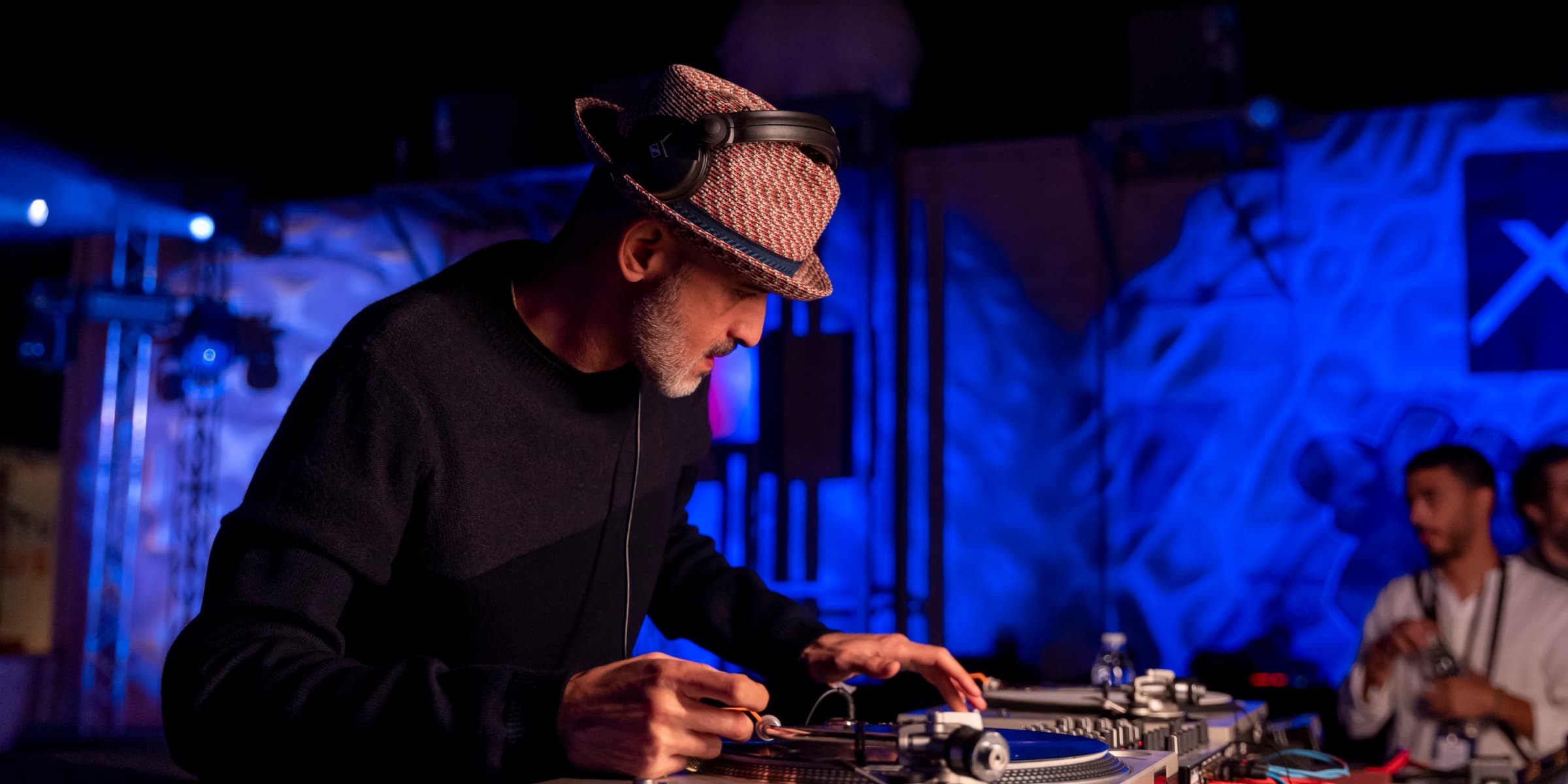
In an era where art is increasingly consumed through screens, Shadi Megallaa is committed to preserving the physical. Through his record shop, The Flip Side, his vinyl curation, and his vinyl-only label Ark to Ashes, he has spent years championing tangible music in a region where independent infrastructure is notoriously difficult to sustain. Long before launching the label in 2013, Megallaa was juggling music projects between the UAE and the US. While shifting logistics and restrictive licensing laws eventually forced those ventures to an end, they established the DIY ethos that continues to shape his work today.
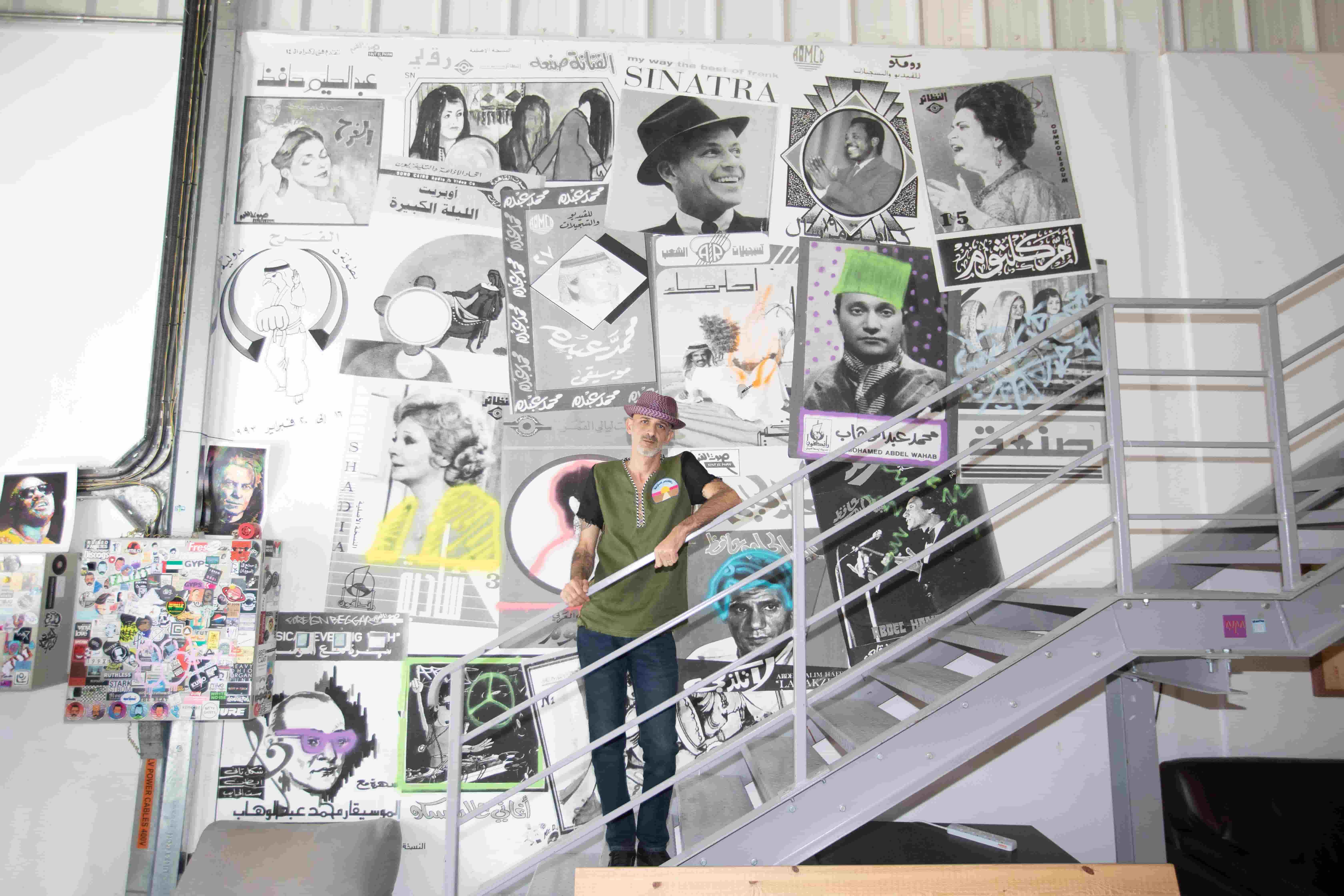
That commitment began as a teenager in Abu Dhabi, where discovering electronic music before the internet meant hunting down rare cassette tapes brought back from UK raves. "It was special to me because it was like my little secret. Not a lot of people in town knew about it. It made me feel like there were people out there interested in the same things I was. They might not have been here, but they existed somewhere." That fascination with physical media naturally evolved into a lifelong devotion to vinyl. "Vinyl is essential for me because I'm a record collector, tracing his relationship with the format back to 1997, when he bought his first turntables and mixer. "If you wanted to DJ, you played records. That's just how it was." For Megallaa, music is meant to be discovered in the real world. That instinct to collect stretches back even further, to childhood afternoons spent filling World Cup Panini sticker albums.
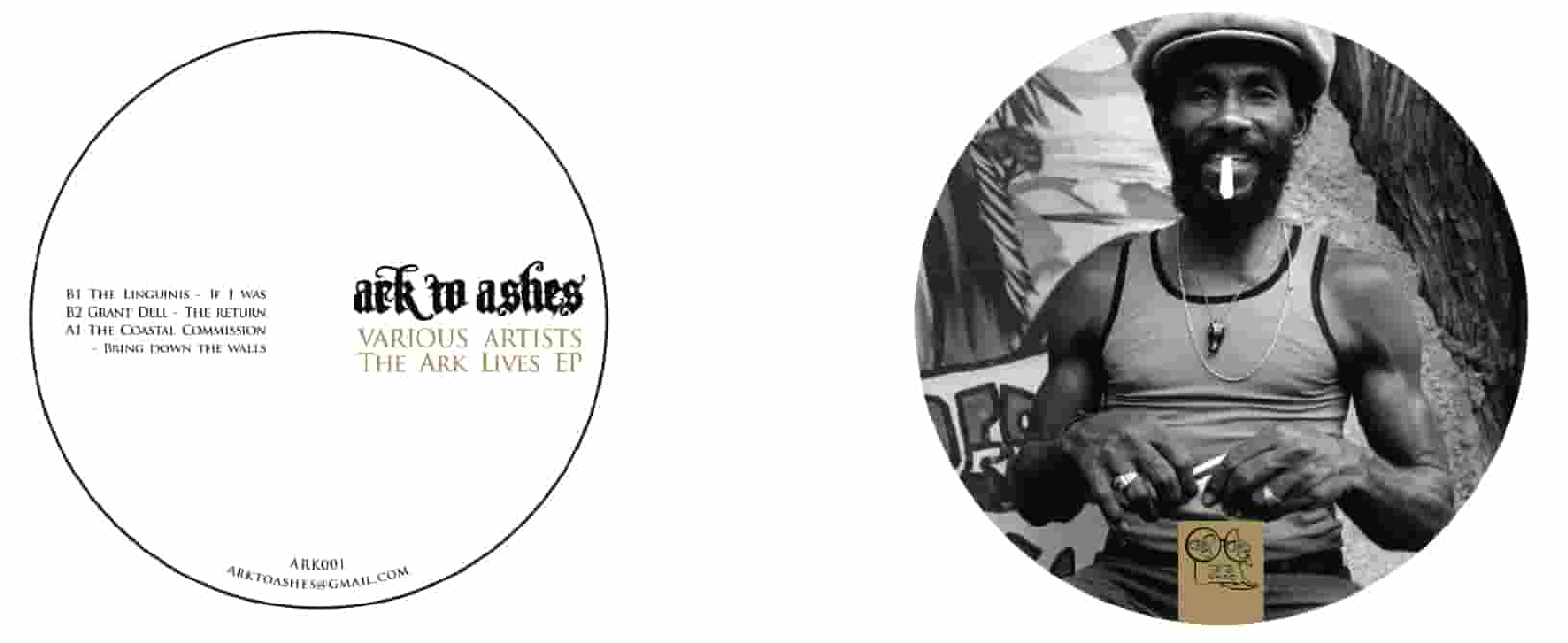
Years later, it would inform how he introduced Ark to Ashes. Rather than launching with a single-artist release, Megallaa opened the label with a various artists EP, The Ark Lives, to establish its musical identity from the outset. At the heart of the project was a track titled "Bring Down the Walls" by his close friend Sam, released under the alias Coastal Commission. Originally released in 2003 on Sam's Pacific Coast House label, the track had become difficult to find, leaving a new generation of DJs unlikely to encounter it. Megallaa paired the reissue with new material from The Linguinis—his collaborative project with longtime friend Ostrich and producer Grant Dell. "Looking back, I wouldn't have done it any differently." For Megallaa, that approach to curation feels increasingly at odds with where electronic music culture is heading today. What was once a shared subcultural secret is now being commercialized, with venues increasingly adopting whatever is trending to draw crowds. "Our scene has been hijacked," he says, pointing to the growing habit of placing electronic music in spaces where it doesn't belong. "You go to a restaurant, you want to have dinner, and there's a DJ playing house music instead of music that's suitable for that experience. You go to an Italian restaurant—okay, play some jazz. Play some Italian music. I'm not saying gatekeep a sound, but curation is key. Now, everywhere you go has turned into a semi-nightclub, and to me, the underground is just the opposite of that."
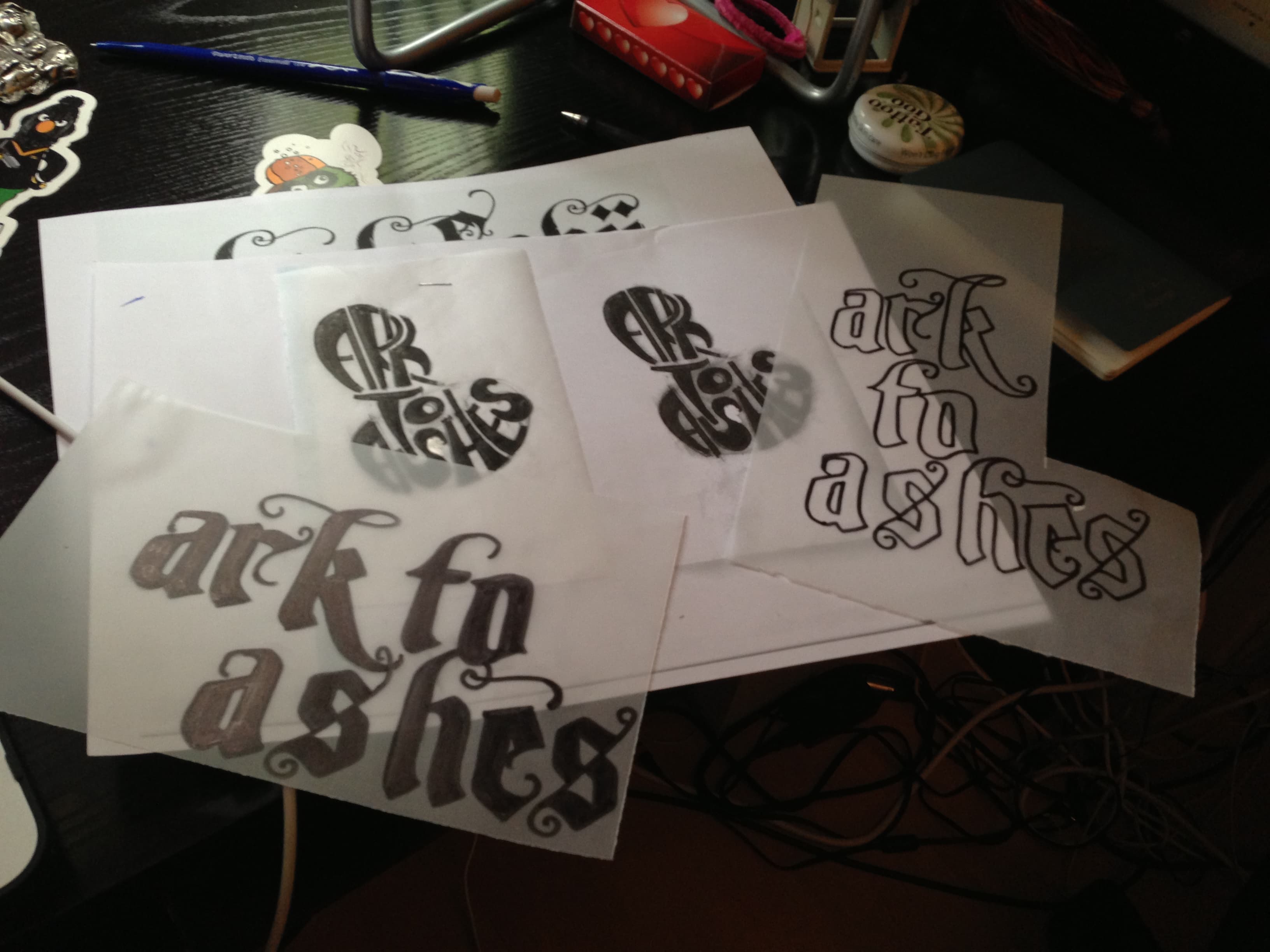
Terms like "underground" and "community" have become marketing language. “They're irrelevant to me,” he adds. Refusing to participate in this hyper-monetized world informs the very foundation of Ark to Ashes. The name pays homage to reggae pioneer Lee "Scratch" Perry, who famously burned down his Black Ark studio to cleanse it of evil spirits as a cleaning act in pursuit of artistic renewal. The symbolism is also deeply spiritual. "As a Christian, Noah's Ark represents rebirth and God giving humans another chance," he explains. Together, these references converge on the idea of rising from the ashes. When asked if a name carrying such layered meaning came to him naturally, Megallaa replies with total humility. "No, it came from God. Just like everything else, just like the music I play. I'm just a vessel." The belief is inked onto his inner arm as the label's logo: a burning reel-to-reel tape machine.
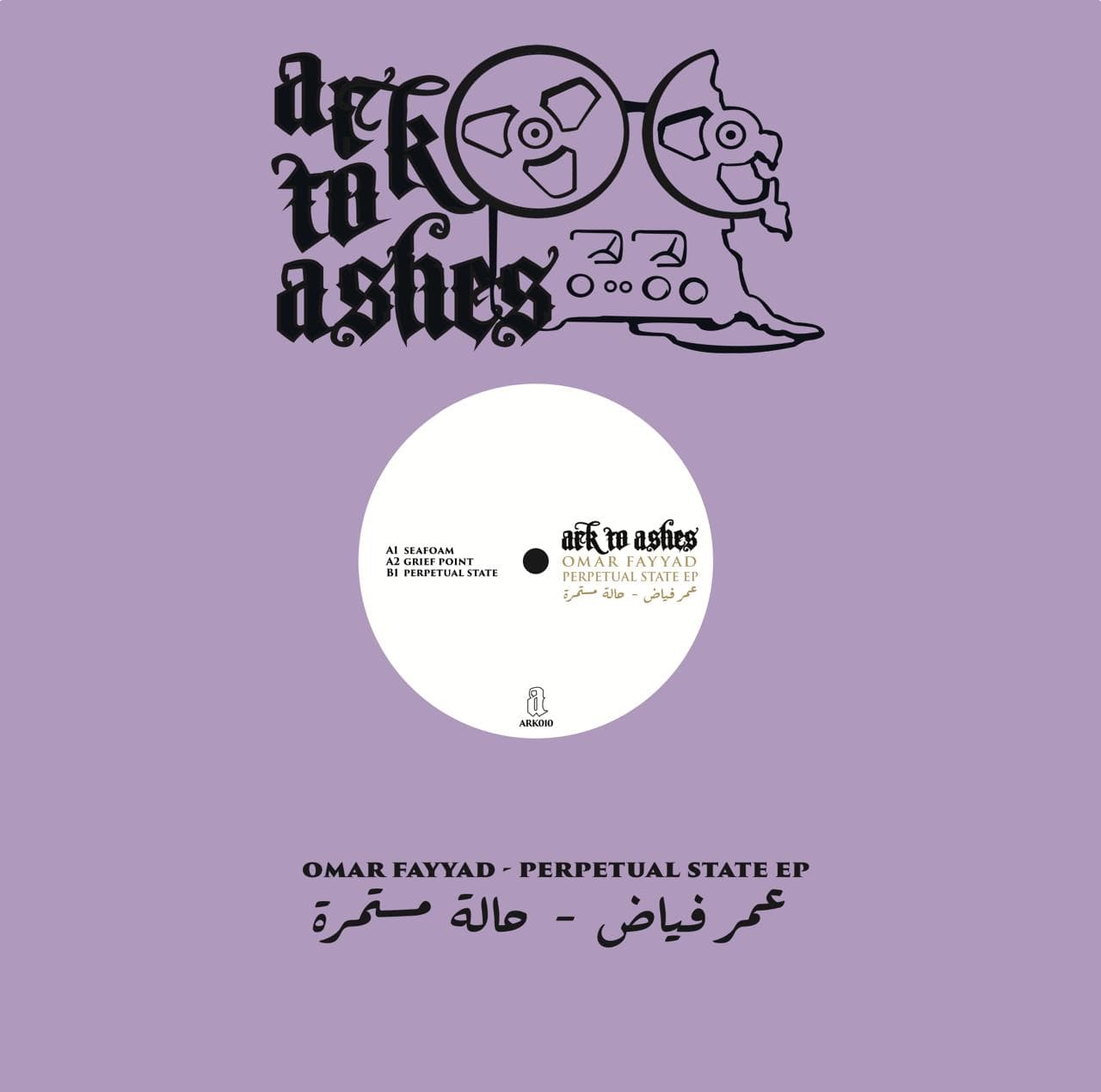
Operating outside the industry's demand for constant content has allowed Ark to Ashes to evolve on its own terms. Since launching, the label has released nine carefully curated records, with a tenth on the horizon: a solo EP by Megallaa's brother, Omar Fayyad. "This EP holds a very special place in my heart because it's Omar's first solo EP, and I'm truly blessed that he's chosen Ark to Ashes as its home. “I can't wait to share it with the world very soon.” Despite the milestone, Megallaa resists ranking the label's releases; he says: "Every release forms part of a greater story. The story continues to evolve, but the soul of the label remains intact. The label remains the home for most of my own productions, as well as those of my friends. It's an organic process. Like a plant that naturally grows in different directions. My job is simply to water it and nurture it."
One release, however, carries particular emotional weight: The Lost Future, the label's only LP, by his close friend Jay Haze under the Dub Surgeon moniker. After Haze's passing in 2025, the album became an even more treasured part of the catalog. Megallaa had spent years persuading him to release it through the label. "That LP holds a very special place in my heart because Jay originally produced it around the time we first met in Berlin, sometime around 2002 or 2003," Megallaa reflects. "For years, the album was thought to be lost forever after the master tapes were destroyed in a fire at Amsterdam's former Film Academy, where it had been recorded."Its eventual return feels almost mythical. Years later, Haze unexpectedly received a copy in the mail with no return address or explanation—only a handwritten note that read, "You have to hear this."The story only deepens the mystique surrounding an already spiritual record.
Megallaa is equally intentional about how the label reaches its audience. "In a way, maybe I've gatekept my own label. I'm just not wired for heavy promotion. I'm only interested in the music and the craft, not in forcing it onto people's feeds." Instead, he trusts listeners to discover the music on their own terms. "I come from the school of wanting music to find people. You can discover my label 15 years from now—I'm fine with that. Actually, I prefer it. Those are the people who are really going to love the music, and it'll be special to them."For Megallaa, the value of a record lies in its ability to outlive the moment. "I've discovered so many records in 2026. One was released in 1995; that was the first time I'd heard it. "That's how I see my label." He admits ignoring the demands of social media is "terrible from a business standpoint," but believes culture rewards patience. "It goes back to this slow burn—letting things marinate. It's exactly like food. It's always better the next day, after the flavors have settled. I'm taking a similar approach with the label." Through Ark to Ashes, he remains committed to the belief that music doesn't need to chase relevance to endure.